


Bamboo emerges as possible fix for cricket's willow shortage
Guardian Cricket's Hotspot column examines why bamboo bats are being explored as an alternative to willow amid rising global player numbers and climate pressures on tree supply.
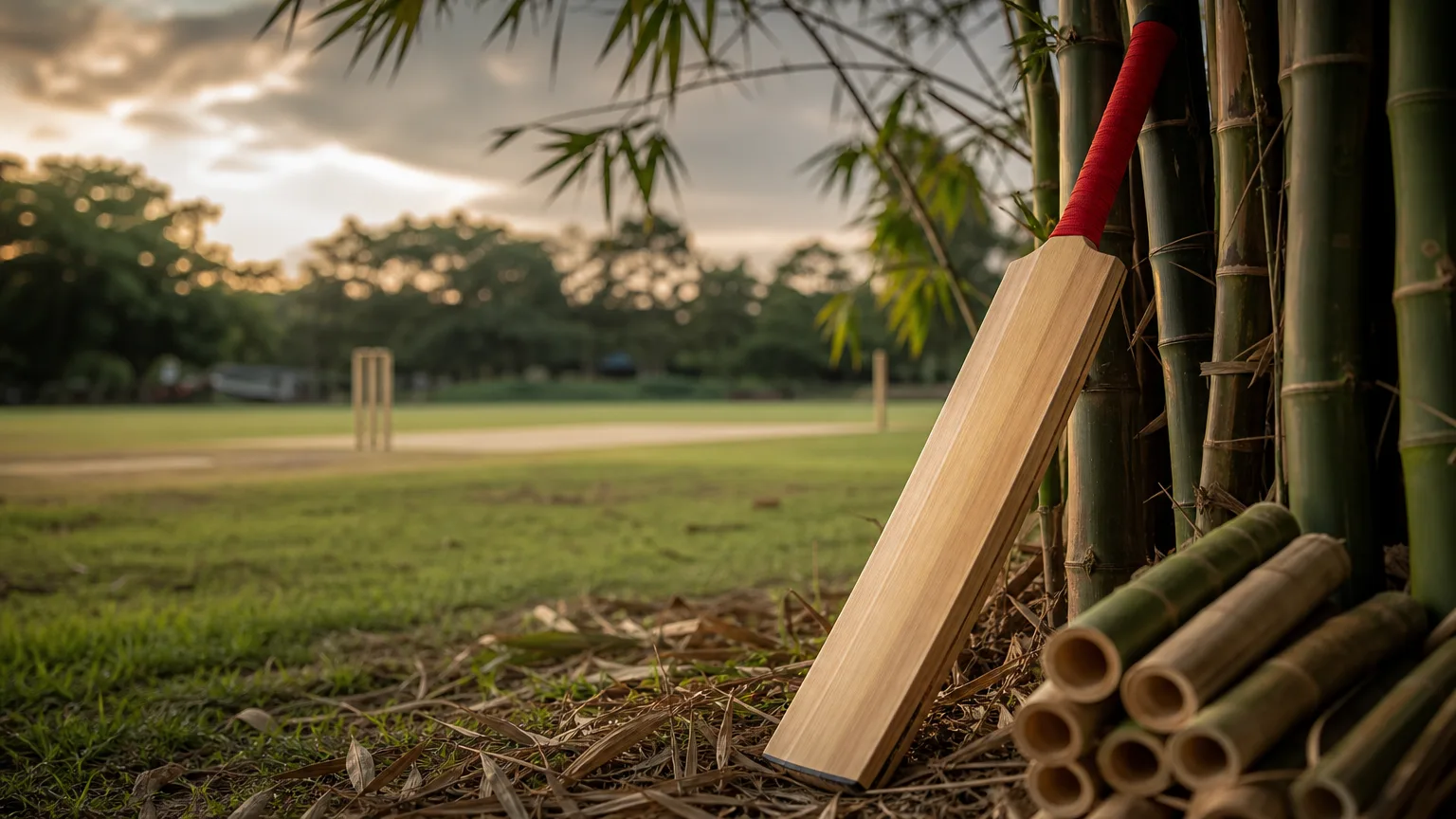
Cricket is confronting an unusual question for a sport built on tradition: what happens if it runs out of the trees that make its bats.
According to Guardian Cricket's Hotspot column, written by Tanya Aldred, the issue has become pressing as the game expands worldwide while the growing conditions for willow become less reliable because of accelerated climate change.
Willow has long been paired with cricket as what the column calls the sun and moon of the sport, the handcrafted bat set against the tree that supplies it.
That relationship is now under strain. Guardian Cricket reports there are some 200 million regular cricketers around the world, a number that far outstrips what current willow production can support.
The figures set out in the column illustrate the gap. The UK produces around half a million willow clefts each year, while Kashmir, the other major source of supply, produces between 1.5 million and 3 million.
Since one cleft makes one bat, those totals effectively cap how many players can be equipped using willow alone, even before climate pressures on the trees themselves are factored in.
It is against that backdrop that bamboo has emerged as a potential substitute, offered in the piece as an alternative to the game's familiar sound of leather on willow.
The column frames the shift not as a rejection of tradition but as a response to arithmetic that no longer works, with demand for bats rising faster than willow supply can keep pace.
As Guardian Cricket's reporting makes clear, the search for alternative materials reflects a wider challenge facing a sport whose growth now reaches far beyond the regions that have traditionally supplied its equipment.